Bye, Dye
So Alan Dye is out at Apple, and I’m cautiously optimistic about what their next era of design leadership will bring. But I think the celebratory discourse on social media is getting a little carried away. Dye is, after all, just one man, and I think Apple’s struggles on the software front go far deeper than UI design.
And at the risk of discrediting myself within the design community, I’ll even go so far as to say that I don’t think Liquid Glass is entirely bad. Yes, the accessibility issues are unforgivable. Yes, it feels janky and rushed. Yes, they have made an inscrutable mess of certain screens by changing clearly labeled text buttons to more ambiguous check and x icons. But I don’t think it’s a bad thing that more of the UI is getting fun Dynamic Island-esque fluid animations. And I think the floating toolbars kinda work on my iPhone (even if they badly need to be reined in on the Mac and iPad). And I think it’s good that buttons have shapes again, and that they’ve been designed in such a way that their tap states are visible even when a finger is on top of them. And maybe most of all, I think it’s fun and interesting that UIs have a material again.
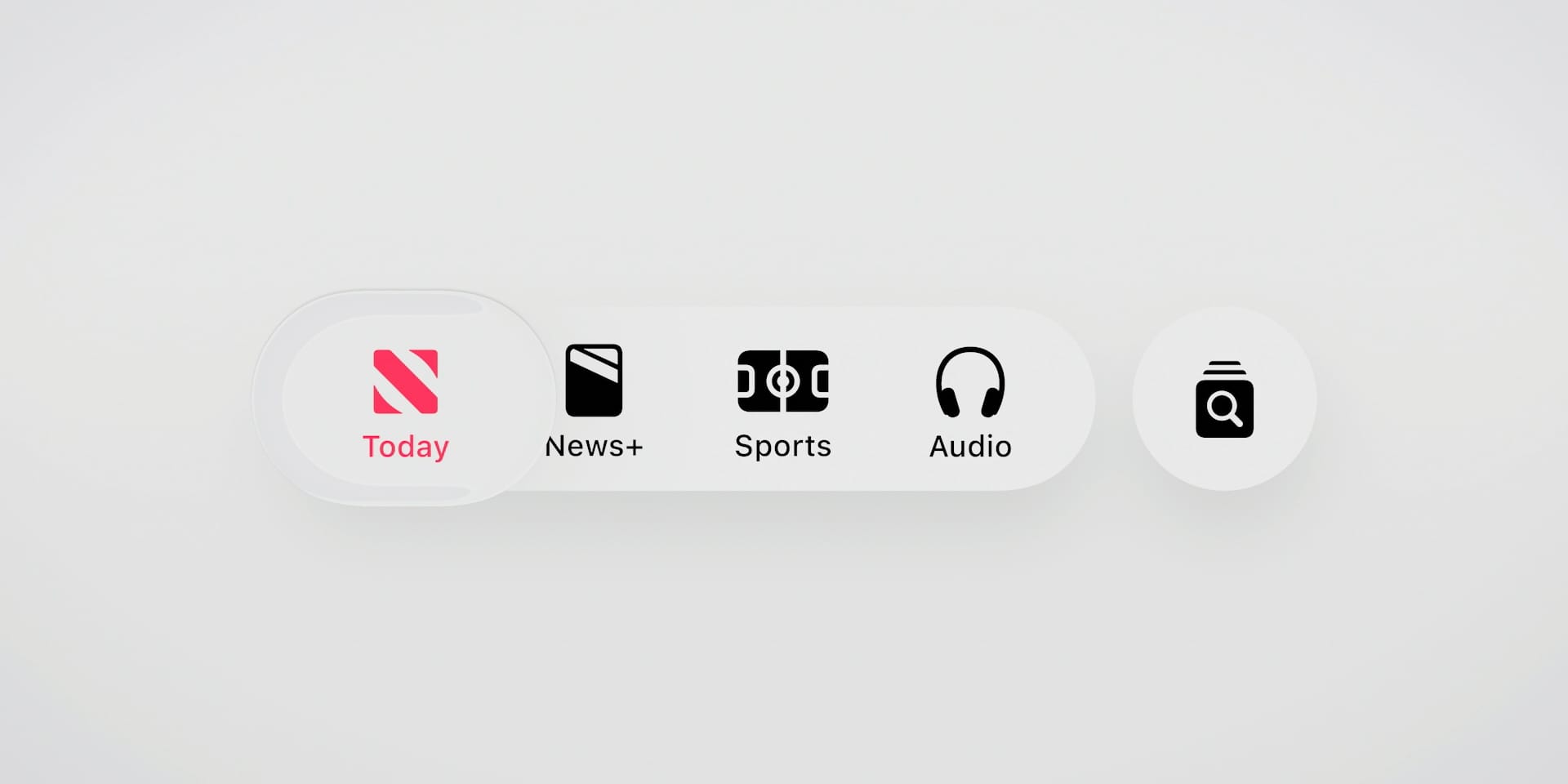
I want to elaborate on that, but first I need to reflect on iOS 7. To compare Liquid Glass to iOS 7 is like comparing a shooting star to the meteor that killed the dinosaurs. Like, yes, I suppose they are functionally the same thing. But only one of them instantly wiped out all skeuomorphism on Earth as we knew it.
One thing that immediately stood out to me about iOS 7 was how militantly Apple had banished shadows from every corner of the interface. Surely, I thought, it would still be useful for UIs to convey depth when they weren’t in motion? It’s useful to have a visual cue that, for example, a scroll view is going to scroll under a toolbar, right? The total omission of shadows was even more confounding when Material Design came out a year later and showed that yes, you could actually build a flat, minimal interface that still had visual indications of depth.
I ended up developing an elaborate conspiracy theory for how shadows would eventually make their way back into Apple’s design language. This theory hinged on two features as potential evidence. The first was iOS 7’s parallax home screen, where your app icons would shift based on the device’s gyroscope data to create a sense of depth. This wasn’t the first time we’d seen this technique employed, but at the time, it was the most prominent. The second came a year later when the iPhone 6S was released with 3D Touch. 3D Touch added pressure sensitivity to iPhone screens, enabling all sorts of nice little shortcuts and secondary abilities if you just pressed harder on the screen (the sort of things that, these days, you can invoke with a long press.)
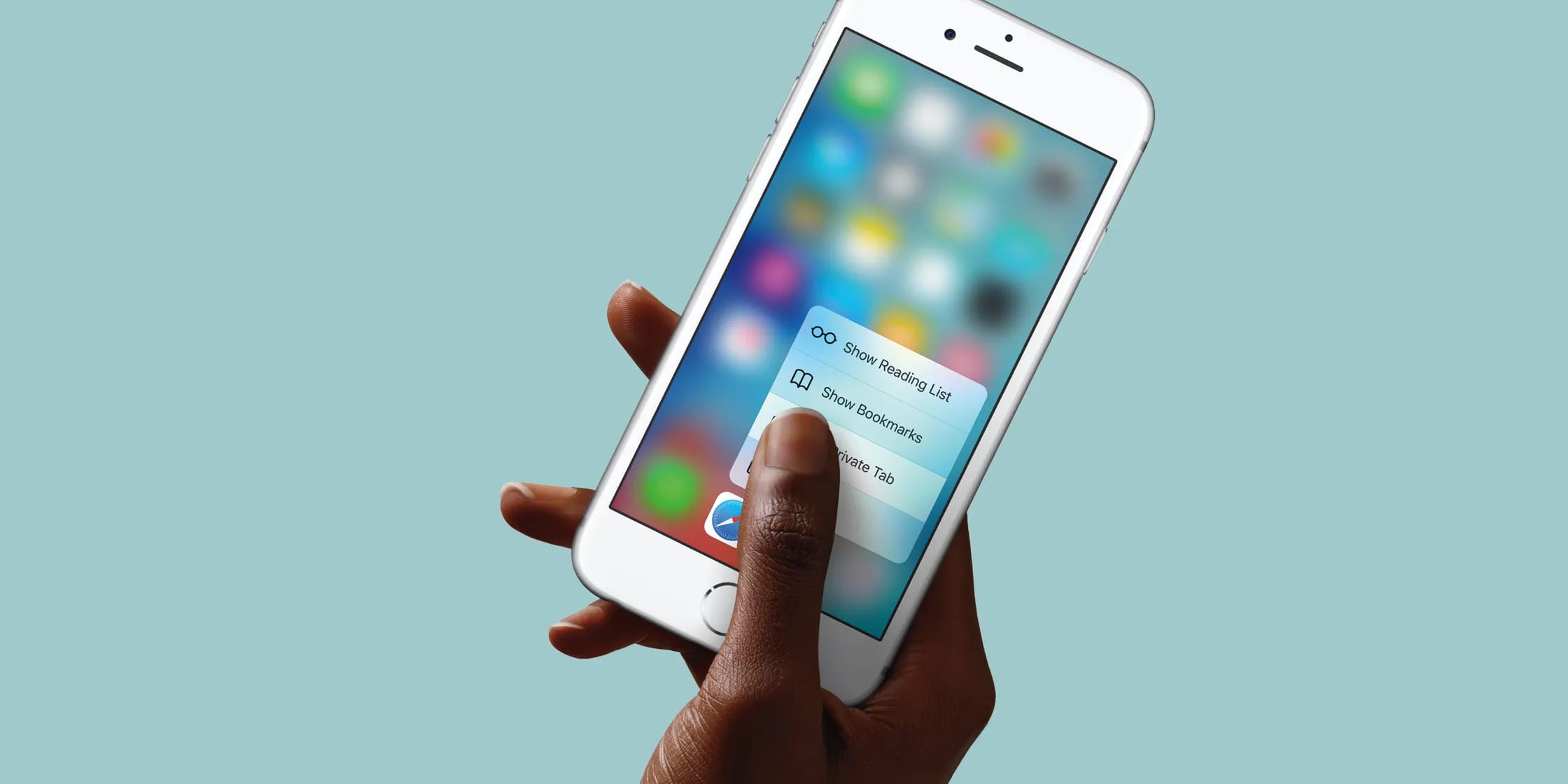
My grand theory was that the UI of the future would be pseudo-3D. Shadows would return, and they would move around in response to the device’s orientation. This time around, shadows would be used more sparingly, and would only be used to indicate elements that would respond to a 3D Touch. This would elevate 3D Touch from a secret technique known only to power users to a core interface paradigm. Depth would return as a visual affordance, just with greater realism and with a different role. Rather than demonstrating interface structure, it would tell you how the interface would respond to your touch.
Of course, none of that came to be. 3D Touch never made it to the iPad and was dropped from the iPhone and Apple Watch. It lives on in Mac trackpads, and in my occasional daydreams. I still think a pseudo-3D interface could have been cool.
Which brings me back to materials. Because, just as with iOS 7’s lack of shadows, part of me wants to believe that Liquid Glass is part of a grander plan. That its utility goes beyond just “it looks cool” and “it sets Apple devices apart.” And what I’ve been wondering is: what if glass were just the beginning? What if Apple were to take what it learned about rendering glass in a way that’s realistic, performant, and (at least in places) gyroscopically-aware and applied it to other materials? What if the next age of skeuomorphism isn’t just about static textures, but about delightfully reactive materials? What if designers and developers were equipped with plastics and woods and metals and papers and textiles and allowed to truly run wild?
It probably won’t happen. I’m probably just a weirdo who can’t get pseudo-3D interfaces out of his head. But for the first time since iOS 7 came out, it feels like it could happen, and I still think it could be cool.
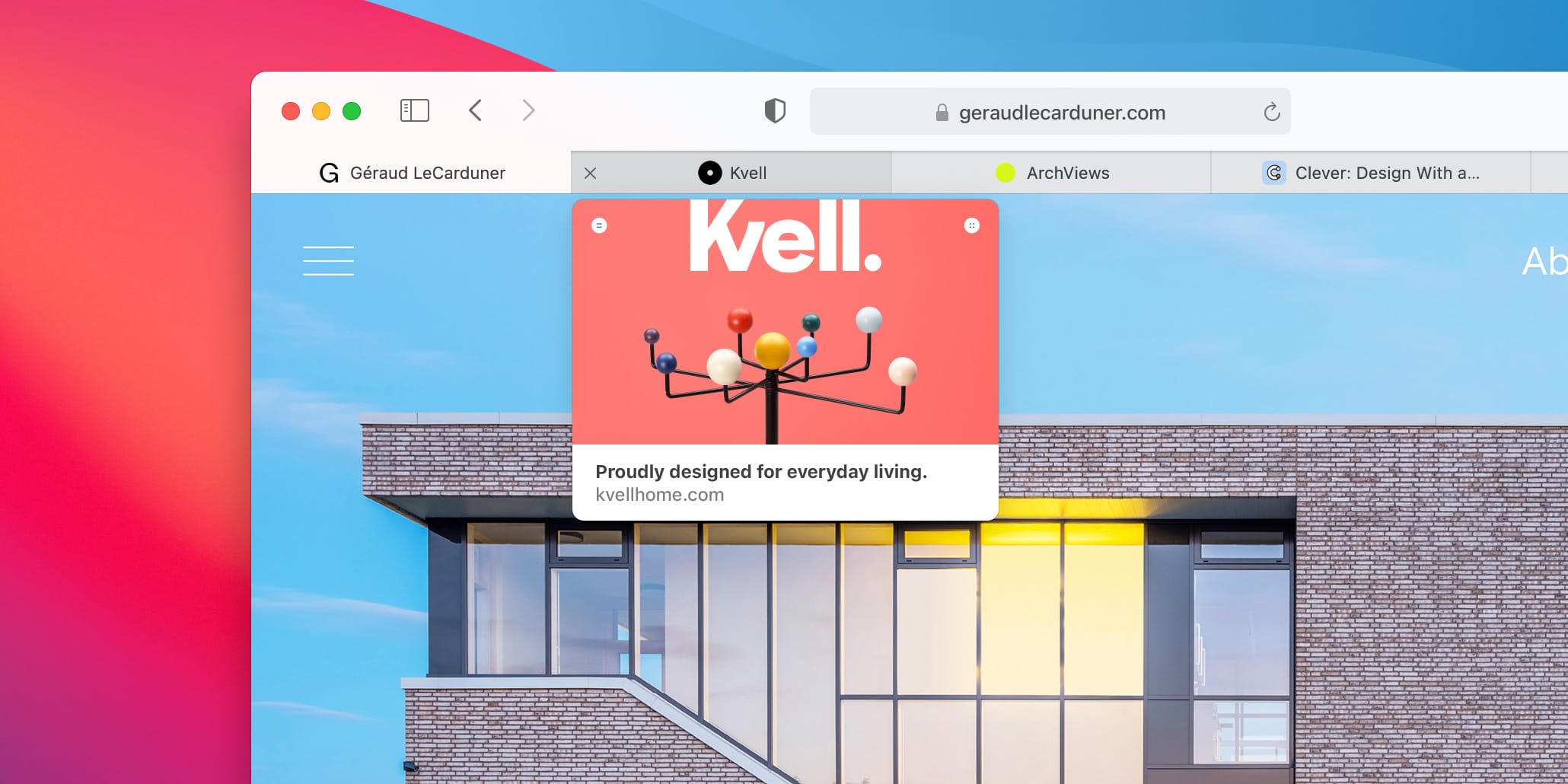
But unfortunately, Apple seems to have their hands full with the one material they did decide to digitize, and all of the inventive UI technology in the world won’t fix their software woes. Alan Dye’s departure won’t change the fact that for years, Safari tab sync was just hopelessly broken. Or that removing music from your Apple Music library also removes it from all of your playlists without warning. Or that every book in Apple Books uses a different base text size. Or that every new OS release seems to introduce baffling new bugs that break things that have worked perfectly for years. You cannot seriously look me in the eye and tell me that’s all Alan Dye’s fault. So it’s going to take way more than just him leaving to fix. It’s going to take dramatic coordination across design and engineering, and across hardware and software, to re-establish software quality as a greater priority than release schedules. Across our industry, the reason software quality degrades generally isn't shitty designers or lazy engineers or a single Alan Dye, it's layers of managers and business types who decide what's worth building and what's ready to release based on analytics dashboards rather than their interactions with the product or its users. I get the sense that it's not actually that much different at Apple than it is anywhere else.
Of course, Alan Dye leaving can’t hurt. The other day, I was on a plane and glanced over at my seatmate’s MacBook and for a brief instant I was struck by how polished and organized and consistent the interface was, before realizing that it was still running Sequoia. Alan Dye did take that from us. And if the new guy snaps his fingers and reverts most of those changes in macOS 27, there will deservedly be singing and dancing in the streets. But even if he does, Apple Music will probably still be drowning in tech debt, and Safari tab syncing still might break again, and new software releases will probably still feel like they were rushed to meet hardware release deadlines. They just have so, so much work ahead of them.
But I’ll be rooting for them. Our industry needs Apple to be the standard-bearer it once was, because lord knows Google and Meta and Amazon aren’t gonna do it.
SOUP.CATS.DISCO.
JEREMY KANTER
COPYRIGHT 2026